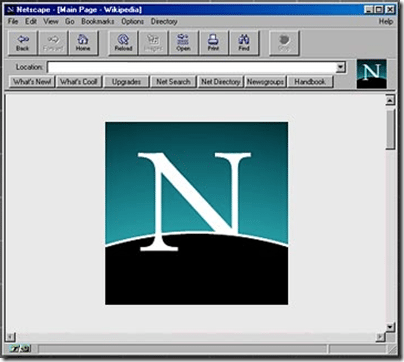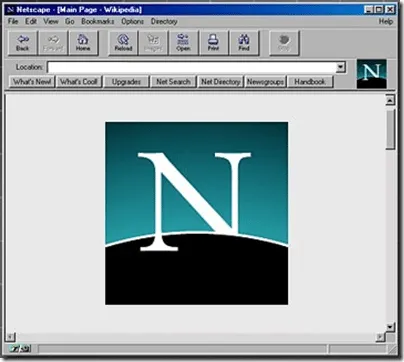
February 1, 2008 marked the official end of Netscape support—a milestone that many dismissed as just another obsolete software program meeting its fate. For those of us who lived through the early days of the commercial internet, however, Netscape represented far more than a browser. It was the catalyst that transformed the web from an academic tool into the foundation of modern digital business.
In 1994, as I began my career in electrical engineering at Motorola, I was already working with internet protocols through Gopher, FTP, and USENET. I had been building web applications using NCSA's Mosaic browser and HTTP Daemon on SunOS—functional tools, but unrefined and limited in their commercial potential.
The Game-Changing USENET Post
Then came the announcement that would reshape everything. On October 13, 1994, at 8:51 AM, this USENET posting appeared:
Mosaic Communications Corporation is making a public version of Mosaic Netscape 0.9 Beta available for anonymous FTP. Mosaic Netscape is a built-from-scratch Internet navigator featuring performance optimized for 14.4 modems, native JPEG support, and more.
The community response was immediate and enthusiastic. Early adopters recognized they were witnessing something revolutionary:
"As blown away as you may have been by seeing the original Mosaic for the first time, Netscape is even more impressive. Besides being faster, easier to use and more robust than Mosaic, it elegantly handles news and mail. It's terribly, terrible impressive."
Netscape's Revolutionary Impact
Netscape didn't just improve web browsing—it fundamentally altered the internet landscape through several key innovations:
Technical Innovation
- User-friendly server management: Created web server applications with intuitive interfaces, eliminating the need to manually edit configuration files
- HTML extension: Boldly extended HTML standards, pushing the boundaries of what was possible on the web
- Commercial viability: Demonstrated that web browsers could be sustainable commercial products
Market Transformation
- IPO catalyst: Their initial public offering signaled the beginning of the dot-com era, proving internet companies could generate massive market value
- Democratization: Made the internet accessible to non-technical users, eliminating the need to understand protocols like Gopher, FTP, or USENET
The Strategic Legacy
Netscape's true significance lies not in its technical specifications, but in its role as the bridge between the academic internet and the commercial web. It proved that intuitive interfaces could make complex technologies accessible to mainstream users—a principle that remains central to successful technology adoption today.
For entrepreneurs and technologists of my generation, Netscape represented proof of concept that internet-based businesses could not only survive but thrive. This validation directly influenced my decision to launch Applied Innovations in 1999, building on the foundation that Netscape and its contemporaries had established.
Lessons for Today's Leaders
As we reflect on Netscape's legacy, several strategic insights remain relevant:
- User experience drives adoption: Technical superiority means nothing without intuitive design
- Standards can be challenged: Sometimes pushing boundaries and creating new standards drives industry progress
- Market timing matters: Netscape succeeded not just because of superior technology, but because it arrived when the market was ready for transformation
While Netscape may have retired from active service, its impact continues to influence how we think about web technologies, user interfaces, and the commercial potential of internet-based solutions. Marc Andreessen and the team at Mosaic Communications Corporation didn't just create a browser—they opened the door to the digital economy that defines business today.