
The Strategic Bet That Defined Our Platform
When planning Applied Innovations in 1998, I faced a critical technology decision: Linux offered superior web server capabilities at the time, while Windows represented an emerging platform with uncertain potential. I chose to go "all in" with Windows—a strategic bet that has proven transformative for our business. Since 1999, we've witnessed Microsoft's evolution through key innovations that validated our platform choice:- PHP Integration: Microsoft's adoption and full support of PHP in Windows
- IIS6 Application Pools: Enhanced isolation and stability for web applications
- IIS7 Modularity: Breaking free from OS release cycles with extensible architecture
- Hyper-V Platform: Comprehensive virtualization capabilities
- Windows Server 2012: The culmination of cloud-focused innovation
Partnership-Driven Innovation
Windows Server 2012 emerged from Microsoft's systematic approach to addressing platform weaknesses—in the server OS, web server, and virtualization stack. As a strategic partner, Applied Innovations contributed significantly to this evolution through active participation in Microsoft's feedback programs. Our involvement included:- Windows Server Futures Council participation
- Service Providers Partner Advisory Committee membership
- Regular product group meetings in Redmond and Boca Raton
- Ongoing dialogue through conference calls and webinars
Shared Vision: Customer Success
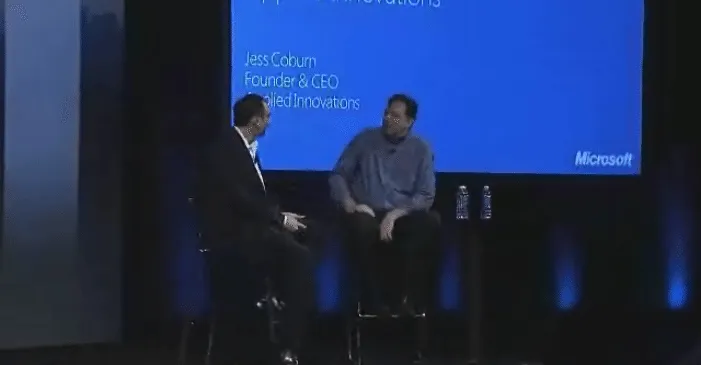
At the 2012 Microsoft Hosting Summit in Seattle, I presented our partnership story alongside Mike Shutz, General Manager of Windows Servers & Management Products Marketing, to Microsoft's top 400 global telecom and hosting partners. Our core principle aligns perfectly with Microsoft's approach: understand customer business requirements, identify operational pain points, and deliver solutions that drive online success. This customer-centric philosophy shaped our feedback and influenced Windows Server 2012's development priorities.