
Understanding Microsoft's Cloud OS Strategy
In 2013, Microsoft unveiled their Cloud OS vision during a press briefing announcing System Center 2012 SP1. This represented more than a product release—it was a fundamental strategic shift toward hybrid cloud dominance.

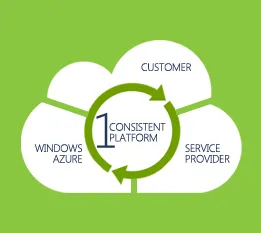
The Cloud OS concept centered on creating a consistent platform spanning customer datacenters, service provider environments, and Microsoft's public cloud. The goal: unified workload management regardless of deployment location, using identical processes and tools across all environments.
The Technical Foundation: Service Provider Foundation
The key innovation was Service Provider Foundation (SPF), integrated within System Center 2012 Orchestrator. SPF exposed an extensible web API enabling service providers to build multi-tenant, self-service Infrastructure-as-a-Service (IaaS) portals.
Unlike traditional hosting control panels, SPF provided direct API access to System Center components, particularly Virtual Machine Manager. This architecture allowed customers to manage hosted resources through System Center—the same tools they used for on-premises workloads.
Breaking Control Panel Limitations
Traditional hosting control panels restricted customers to vendor-exposed functionality. When new technologies emerged, customers faced lengthy delays:
- 6 months for control panel vendors to develop support
- Additional 3+ months for service provider testing and deployment
- Limited customization and integration capabilities
SPF eliminated these constraints by providing full System Center Virtual Machine Manager and App Controller functionality immediately—no waiting, no new interfaces to learn.
Windows Azure Services for Windows Server
Microsoft also released "Windows Azure Services for Windows Server"—essentially packaging Azure-proven technologies for on-premises deployment. This included the technology stack powering Azure Websites, enabling hosting providers to offer scalable web hosting using Microsoft's cloud-tested architecture.
The strategic message was clear: Microsoft was democratizing their cloud innovations, making enterprise-grade scalability accessible to any Windows-based hosting provider.
The Strategic Transformation
This announcement marked Microsoft's evolution from enterprise-focused to cloud-focused. For over 14 years at Applied Innovations, I witnessed hosting providers operating on the periphery of Microsoft's partner ecosystem. The Cloud OS vision changed that dynamic fundamentally.
Microsoft's new position was platform-agnostic regarding deployment location: "Host on-premises, host with us, or host with a partner—we want you using our technology." This represented a mature recognition that cloud success required ecosystem partnerships, not just direct relationships.
Why This Still Matters Today
The Cloud OS vision presaged today's hybrid and multi-cloud strategies. Microsoft's 2013 bet on unified management across deployment models became the foundation for Azure Arc, Azure Stack, and current hybrid cloud offerings.
The strategic lesson remains relevant: technology vendors must embrace ecosystem approaches rather than attempting to own entire technology stacks. Microsoft's willingness to empower partners and competitors through open APIs and shared technology created the foundation for their current cloud market position.
For business leaders evaluating cloud strategies today, the Cloud OS concept demonstrates the importance of workload portability and avoiding vendor lock-in through architectural decisions made over a decade ago. 