

The Challenge of Multi-Platform Social Media Management
In 2010, I conducted a comprehensive evaluation of social media monitoring tools to optimize our marketing operations across multiple platforms. The landscape was fragmented, with businesses struggling to manage Twitter, Facebook, LinkedIn, and emerging networks effectively. These six tools became the foundation of our daily social media strategy.
HootSuite: Centralized Twitter Account Management
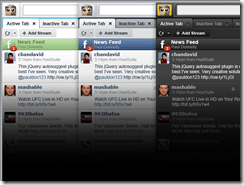
HootSuite emerged as our primary solution for managing multiple Twitter accounts at scale. The platform addressed four critical operational needs:
- Multi-account monitoring — Consolidated dashboard for all Twitter properties
- Keyword tracking — Real-time monitoring of brand mentions and industry conversations
- Content scheduling — Strategic tweet distribution across optimal engagement windows
- Link analytics — URL shortening with comprehensive click tracking
This tool proved essential for maintaining consistent brand presence without requiring 24/7 manual oversight.
SproutSocial: Enterprise Social Media Command Center
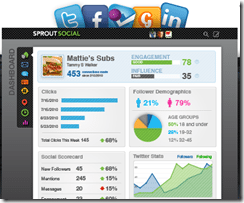
SproutSocial provided comprehensive cross-platform social media management, integrating Facebook, Twitter, LinkedIn, Foursquare, and blog monitoring into a single interface. Key strategic applications included:
- Daily operational reviews — Centralized response management and engagement tracking
- Audience analytics — Demographic insights for targeted content strategy
- Growth metrics — Follower acquisition and retention analysis
- Influence identification — Algorithm-driven recommendations for strategic connections
- Brand monitoring — Cross-platform mention tracking and sentiment analysis
While SproutSocial required subscription investment, the 30-day trial demonstrated clear ROI through improved engagement efficiency and strategic insights.
Flowtown: Contact Intelligence and Social Mapping
Flowtown revolutionized customer intelligence by transforming email lists into comprehensive social profiles. The platform identified social media accounts, influence metrics, and engagement preferences across multiple networks.
Strategic applications included:
- Customer profiling — Geographic, demographic, and social platform preferences
- Influence scoring — Klout integration for targeted engagement prioritization
- Platform optimization — Data-driven advertising placement decisions
- Relationship mapping — Multi-platform customer touchpoint identification
- CRM integration — Salesforce and email marketing platform connectivity
The freemium model (50 contacts free, then per-contact pricing) made this tool accessible for businesses of all sizes.
PostRank Analytics: Social Engagement Measurement
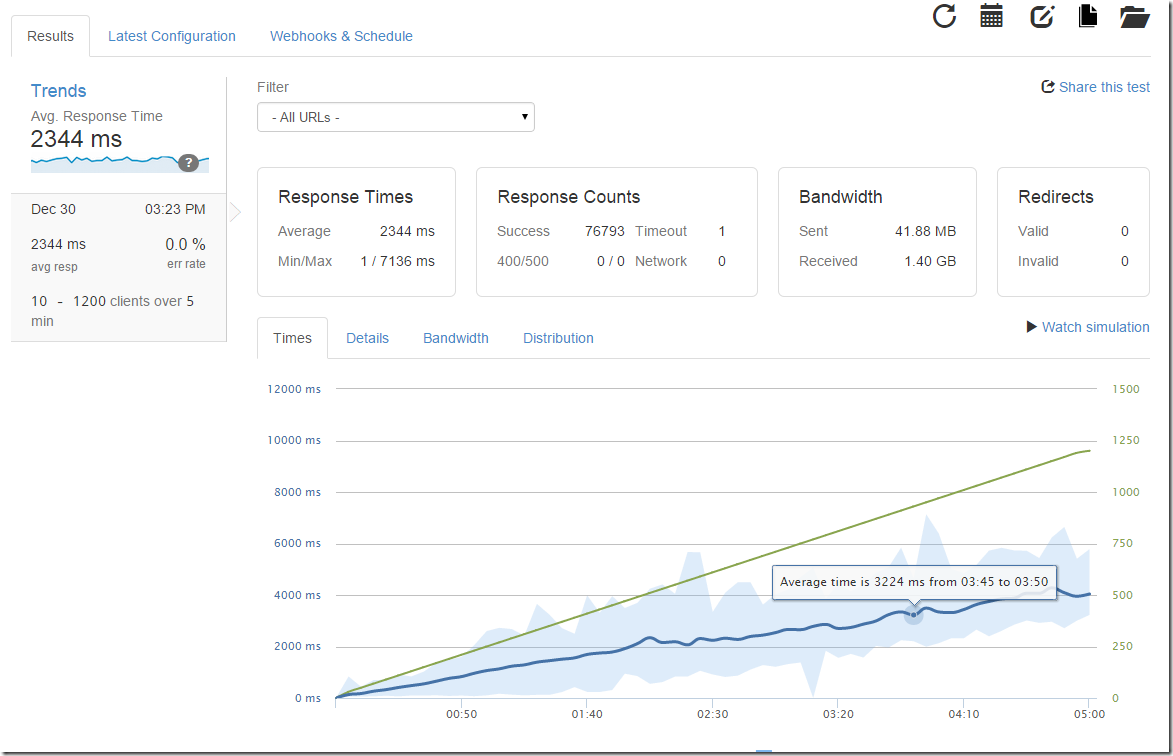
PostRank Analytics provided sophisticated social engagement tracking across 20+ networks, integrating with Google Analytics for comprehensive performance insights. The platform enabled:
- Content performance analysis — Social sharing and engagement metrics by post
- Competitive intelligence — Benchmark analysis of competitor social performance
- Strategic engagement — Data-driven relationship building opportunities
This RSS-based monitoring approach provided crucial insights into content resonance and audience behavior patterns.
MailChimp: Integrated Email and Social Marketing
MailChimp's freemium email marketing platform offered 1,000 subscribers and 5,000 monthly messages at no cost, with social network integration capabilities. Key features included:
- Automated RSS campaigns — Blog post distribution to subscriber lists
- WordPress integration — Streamlined subscription and opt-in processes
- Social campaign integration — Cross-platform marketing coordination
- SocialPro features — Advanced social media synchronization
The platform's approach to integrated campaigns demonstrated early understanding of omnichannel marketing requirements.
Google Alerts: Fundamental Brand Monitoring
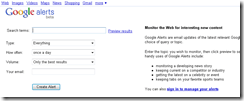
Google Alerts provided baseline brand monitoring through keyword-based email notifications. While effective for tracking mentions across the broader web, the tool's value decreased as content farms began duplicating legitimate content for ad revenue.
Despite limitations, Google Alerts remained valuable for:
- Comprehensive web monitoring
- Competitor tracking
- Industry trend identification
Strategic Lessons from 2010's Social Media Tool Landscape
These tools represented the foundation of modern social media management platforms. The fragmented landscape required multiple tools to achieve what today's integrated platforms deliver. However, the core principles remain relevant:
- Centralized monitoring reduces operational complexity
- Data-driven engagement maximizes resource efficiency
- Cross-platform integration enables cohesive brand messaging
- Automation capabilities scale human expertise
Understanding these foundational tools provides context for evaluating modern social media management solutions and recognizing the evolution of digital marketing technology.